


When your car is declared a total loss, the settlement offer you receive should reflect its true market value. Too often, it does not. Wreck Check Appraisal is a nationwide independent auto appraisal company that steps in when insurance companies undervalue your vehicle.
With over 29 years in the collision repair and auto appraisal industry and having handled over 2,000 total loss and diminished value claims, we work exclusively for you – never the insurance company. A total loss appraisal from Wreck Check Appraisal challenges the insurer’s math with verified data and court-ready methodology, helping you recover thousands more than the original offer.

What Is Actual Cash Value In Insurance Claims
Actual Cash Value, or ACV, is the amount an insurance company says your vehicle was worth the moment before a loss. It is not the replacement cost, nor is it what you paid for the car. ACV is replacement cost minus depreciation, that depreciation figure is where disputes begin.
Insurers apply their own formulas to calculate how much value your vehicle has lost over time. The result is often a number that falls far short of what it would actually cost to buy a comparable vehicle in your local market. Grasp this distinction is the first step in recognizing when a settlement offer is too low.
How Insurers Calculate Actual Cash Value For Vehicles
Insurance companies typically use third-party valuation services to generate ACV reports. These services pull data from databases that may not reflect real-time local market conditions. The insurer’s calculation starts with a base value for your vehicle’s year, make, and model. Then they apply deductions for mileage, condition, and wear.
The problem is that these deductions are often aggressive and generic. A door ding or worn floor mat can trigger a condition downgrade that slashes hundreds or even thousands from the valuation. The insurer’s goal is to close the claim quickly at the lowest defensible number, not to find what your car would actually sell for on a dealer lot near you.
Common Tactics Insurers Use To Undervalue Claims
Insurers have several methods for keeping ACV valuations low. One common tactic is cherry-picking comparable vehicles that are stripped-down models, have higher mileage, or sold at auction rather than retail. Another is applying excessive condition deductions for normal wear that would not affect a car’s retail price. Insurers also routinely ignore recent maintenance, new tires, or aftermarket upgrades that add real market value.
They may use comparables from different geographic areas where prices are lower. These tactics are not accidents – they are built into the valuation process to reduce payouts. Recognizing them is essential before accepting any total loss settlement.
Impact Of Depreciation On Total Loss Appraisals
Depreciation is the single largest factor driving down a total loss actual cash value offer. Insurers apply depreciation aggressively, often using standardized formulas that do not account for how well you maintained your vehicle. A car with meticulous service records and a spotless interior can receive the same condition rating as a neglected one if the insurer’s software says so.
This is where a total loss appraisal becomes critical. An independent appraisal looks at your actual vehicle, not just a statistical average. It accounts for real condition, documented maintenance, and what comparable vehicles are listed for right now in your area – not what a database says they might be worth.

How Wreck Check Appraisal Challenges Insurer Valuations
Wreck Check Appraisal reviews every detail of the insurer’s valuation report to find errors, omissions, and unfair deductions. We then build a counter-report using verified local dealer data, calling dealerships directly to confirm real asking prices for comparable vehicles. Our appraisal methodology has been formally tested and accepted in Magistrate and State Courts, giving your claim serious weight.
The report we produce is 30 to 40 pages long and includes documented comparable vehicles, condition verification, and a line-by-line challenge to the insurer’s math. We then manage all negotiations directly with the insurer’s appraiser so you do not have to fight that battle alone.
Using Verified Dealer Data For Accurate Valuation
Most insurer valuations rely on database averages. Wreck Check Appraisal uses something more reliable: actual dealer listings and direct phone verification. We contact local dealers to confirm that the comparable vehicles in our report are real, available, and priced as stated.
This step matters because database comparables can be outdated, misconfigured, or based on vehicles that never sold at the listed price. Dealer-verified data shows what it would actually cost to replace your vehicle today. When an insurer’s report uses auction pricing or distant comparables, our verified local data exposes the gap between their number and the true market value of your total loss actual cash value.
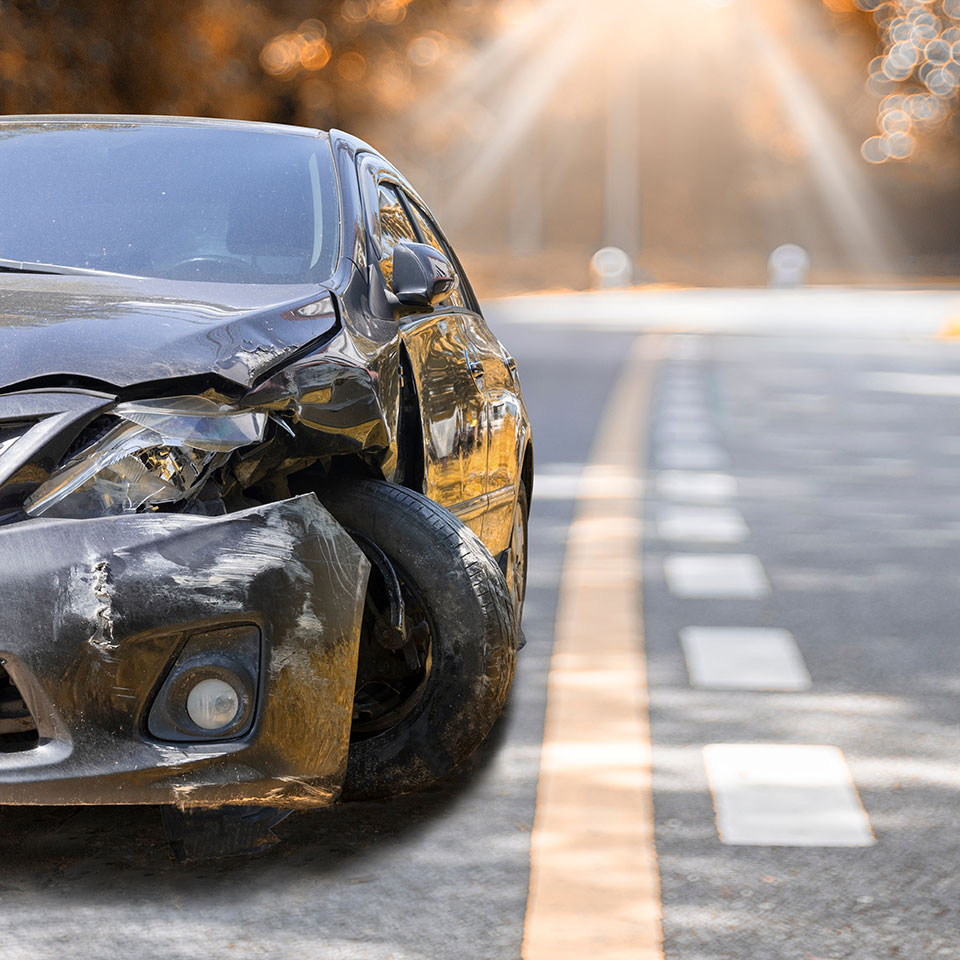
Real-Life Example Of Disputed ACV And Resolution
One client’s insurer valued their total loss vehicle at $40,600. The owner knew that number was far below what it would take to buy a comparable replacement. Wreck Check Appraisal reviewed the insurer’s report and found multiple issues: comparables with higher mileage, missing options, and condition deductions that did not match the vehicle’s documented maintenance history.
We prepared a full total loss appraisal with verified dealer data and negotiated directly with the insurer. The result: the true market value was established at $57,500 – nearly $17,000 more than the initial offer.
Steps To Take If Your Claim Is Undervalued
First, do not cash the settlement check or sign any release if you believe the offer is too low. Once you accept, your claim is closed. Second, request a copy of the insurer’s valuation report and review it carefully. Look for incorrect trim levels, missing options, and comparables that do not match your vehicle.
Third, gather your own documentation: service records, receipts for recent work, and photos showing the condition before the loss. Fourth, contact Wreck Check Appraisal for a professional review of the insurer’s offer. We can tell you quickly whether the valuation is fair or if you have grounds to dispute it. Time matters, so act before the insurer pressures you to settle.

Testimonials
“I was able to get a nice settlement check with the help of RJ and his team. I’m very happy with the help they provided me with!”
Frequently Asked Questions
-
Actual Cash Value, or ACV, is the amount an insurance company determines your vehicle was worth just before a loss. It is calculated by taking the replacement cost and subtracting depreciation, which can often lead to lower settlement offers than expected.
-
Insurance companies typically use third-party services to generate ACV reports. They start with a base value for your vehicle and apply deductions for mileage and condition, but these deductions can be overly aggressive and may not reflect your vehicle’s true market value.
-
Insurers often cherry-pick comparables that are not truly comparable, apply excessive condition deductions, and ignore recent maintenance or upgrades. These tactics are designed to minimize payouts and can lead to significant undervaluation of your vehicle.
-
Wreck Check Appraisal reviews the insurer’s valuation and prepares a detailed report using verified local dealer data. This report challenges the insurer’s calculations and helps negotiate a fair settlement on your behalf.
-
Do not cash the settlement check or sign any release if you think the offer is too low. Request the insurer’s valuation report, gather your own documentation, and consider contacting Wreck Check Appraisal for a professional review to see if you have grounds to dispute the offer.

Why Choose Wreck Check Appraisal For ACV Valuation Disputes?
Wreck Check Appraisal specializes in total loss appraisals, focusing on disputes over Actual Cash Value. With over 29 years of experience, we know how insurance companies undervalue vehicles. Our team reviews every detail of the insurer’s valuation, identifying errors and unfair deductions that can significantly affect your payout.
We use verified local dealer data to challenge the insurer’s calculations. Our court-ready appraisal reports have been accepted in Magistrate and State Courts, giving you a strong advantage. Wreck Check Appraisal works exclusively for you, ensuring there’s no conflict of interest. Our fully remote process means you can get expert help from anywhere, maximizing your total loss claim.
About UsGet Expert Help To Maximize Your Total Loss Claim
You do not have to accept an undervalued settlement. Wreck Check Appraisal works exclusively for vehicle owners across multiple states nationwide, never for insurance companies. Our process is fully remote – you never need to bring your vehicle anywhere.
We handle everything from reviewing the insurer’s offer to managing all negotiations. With ASE certification, I-CAR Platinum Level 3 status, and a methodology tested in court, our total loss appraisal reports provide the necessary support to resolve ACV valuation disputes and recover the settlement you deserve. Contact Wreck Check Appraisal today and let us fight for the true value of your vehicle.